What a 7-Day Timeline Can (and Cannot) Do for Your Body
Step on the scale after 48 hours of strict eating and you’ll see a drop of 3, 4, even 5 pounds—and that number is both real and deceptive. What you’ve mostly lost isn’t body fat. It’s water, and understanding that distinction is what separates a smart metabolic reset from a panic-fueled crash.
Your body stores roughly 400 to 500 grams of glycogen—the carbohydrate fuel stashed in your muscles and liver—and each gram of glycogen holds onto about 3 to 4 grams of water. When you slash carbs and calories, you burn through that glycogen in roughly 24 to 48 hours, and the water it was gripping releases through urine. That’s your first 3 to 5 pounds gone. According to the Cleveland Clinic, this rapid water shift is a normal, temporary phenomenon, not a sign you’ve cracked the code on overnight fat loss.
Actual fat loss operates on unforgiving math. A pound of body fat equals roughly 3,500 calories. To lose 1 to 2 pounds of genuine fat in a week, you need a daily deficit of 500 to 1,000 calories—aggressive, but still within the safe floor the NIH cites for short-term protocols. Anything beyond that 2-pound mark is water, waste, or, in poorly designed plans, precious muscle tissue.
So why bother with a 7-day window at all? Because that water drop isn’t meaningless. It shrinks the layer of subcutaneous fluid that blurs muscle definition and makes waistbands dig. The visible difference by day 5 or 6—a sharper jawline, a flatter midsection, clothes hanging with less resistance—comes from this anti-inflammatory effect, not from torching a month’s worth of fat in a week. You’re draining the bloat, calming systemic inflammation, and stepping into your event looking tighter, without torching your metabolic rate or cannibalizing the muscle that keeps your metabolism humming long after this week ends.
The 7-Day Metabolic Reset: Choosing Your Tier Based on Urgency
Think of this protocol as a three-lane highway—same destination, different speeds, and very different tolls at the end. The tier you choose depends on how aggressively you need the scale to move and how much rebound risk you’re willing to accept once your event is over.
Tier 1: Structured Deficit (The Steady Lane)
What it is: Three meals daily with a moderate carbohydrate reduction, built around a 500-calorie deficit below your maintenance. You’re still eating starches—smaller portions timed around your most active hours.
Expected result: 2–4 lbs lost in 7 days, with minimal muscle loss and the lowest chance of post-event bingeing. According to the Cleveland Clinic, a deficit of this size preserves lean tissue far better than aggressive fasting while still mobilizing stored glycogen and its attached water weight. Choose this if your outfit is slightly snug, not panic-level tight.
Tier 2: Time-Restricted Eating + Low Carb (The Accelerated Lane)
What it is: A daily 16:8 fasting window—eating only between noon and 8 p.m.—with two substantial meals containing no starches. Think eggs, fish, poultry, leafy greens, and olive oil. The extended overnight fast forces your body to deplete liver glycogen faster, triggering ketosis by day three or four.
Expected result: 4–7 lbs lost, driven largely by glycogen depletion and the diuretic effect of low insulin levels. Rebound risk is moderate: you’ll regain 2–4 lbs when carbohydrates return, but the visible difference from reduced bloating is real and fast.
Tier 3: Protein-Sparing Modified Fast (The Emergency Lane)
What it is: Under 900 calories daily from lean protein sources and non-starchy vegetables only—no fats, no carbs beyond trace amounts. This mimics the metabolic rate of a water fast while providing enough amino acids to protect muscle tissue.
Expected result: 7–10 lbs in one week. The cost: high rebound risk, potential electrolyte imbalances, and intense hunger. The NIH warns that very-low-calorie diets should only be undertaken with medical supervision, particularly if you take blood pressure or blood sugar medications. This tier is for the wedding that’s seven days away, not a casual beach weekend.
How to Choose in 30 Seconds
Ask yourself one question: How many days after this event can I dedicate to a structured reverse diet before I’m back to normal eating? If you have five to seven days to gradually reintroduce calories and carbohydrates, Tier 3’s results might be worth the aftermath. If you’re jumping straight back into regular meals the next morning, stay in Tier 1 or 2—the rapid regain from Tier 3 will erase your results within 48 hours and likely add psychological fuel to the shame spiral you’re trying to break.
How to Choose Your Tier Without Setting Yourself Up for a Binge
If you’ve ever white-knuckled through a strict diet only to find yourself face-down in a family-size bag of chips by Thursday, the problem isn’t your character—it’s a mismatch between the protocol you chose and your psychological starting point. Restriction triggers a biological and neurological rebound effect; the more aggressive the cut, the louder the binge urges become. According to the Cleveland Clinic, severe calorie deprivation increases cortisol and ghrelin while downregulating prefrontal cortex activity—precisely the combination that dismantles impulse control around food.
This is why selecting your tier honestly matters more than selecting it ambitiously. Use this quick decision matrix:
- Tier 3 (Water Fast or Near-Fast): Only choose this if you have zero history of binge eating, your current stress levels are genuinely low, and the event stakes are high enough that you’re willing to trade a rough week for rapid water-weight shedding. If you’ve ever described yourself as an “all-or-nothing” eater, this tier is a loaded gun.
- Tier 2 (Structured Low-Carb Deficit): The middle path. Appropriate if you’ve dieted before with mixed success, feel moderately stressed but functional, and need visible results without the psychological fragility that fasting creates.
- Tier 1 (Moderate Deficit with Strategic Carbs): The confidence-builder. Choose this if your dieting history includes cycles of restriction followed by bingeing, or if you’re navigating a high-stress week. The results will be subtler, but you’ll finish the seven days without the compulsive “refeed” spiral that erases progress in a single evening.
Apply the minimum effective dose principle here: pick the least aggressive tier that can still get you into that outfit. Succeeding on Tier 1 rebuilds the self-trust that failing on Tier 3 destroys—and a calm, consistent week of small wins does more for your metabolism and your self-respect than three days of heroic suffering followed by a binge.
Your 7-Day Meal Framework: What to Eat and When
For seven days, you’re operating from a strict, repeatable template that removes every food decision that typically derails you. The protocol eliminates the five primary inflammatory and water-retentive offenders immediately: added sugar, alcohol, grains, dairy, and all processed foods. This isn’t a lifestyle suggestion; it’s a short-term metabolic lever designed to drop glycogen-bound water weight and de-bloat your digestive tract fast.
The Protein Anchor Rule
Every eating window must be built around a lean protein source. Target roughly 1 gram of protein per pound of your goal body weight—not your current weight. If your target is 140 lbs, you’re aiming for approximately 140 grams of protein daily, divided across your meals. According to the Cleveland Clinic, protein has the highest thermic effect of food, meaning your body burns more calories digesting it than it does fats or carbs, while simultaneously being the most satiating macronutrient to prevent the day-2 cravings that sabotage most attempts.
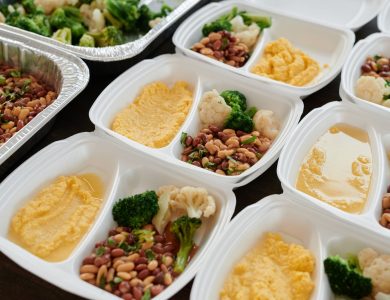
Acceptable lean sources include chicken breast, turkey breast, 95% lean ground beef, egg whites, white fish (cod, tilapia), shrimp, and—if tolerated—a limited scoop of a high-quality whey or pea protein isolate with zero added sugars.
The Unlimited Vegetables List
You can eat the following vegetables with no calorie counting, but strict preparation rules apply: consume them steamed, roasted with minimal oil spray, or raw. No butter, no creamy dressings, no cheese-based sauces. Your unlimited list includes broccoli, cauliflower, Brussels sprouts, kale, spinach, arugula, cucumber, zucchini, asparagus, and green beans. These are high-volume, low-calorie, and packed with fiber to manage hunger pangs during the calorie deficit.
Hydration and Electrolyte Precision
Drink a minimum of 0.7 ounces of water per pound of body weight daily—roughly 100 ounces if you weigh 150 lbs. Sip consistently between meals, but avoid chugging large volumes immediately before or after eating. More critically, when you slash carbohydrates and processed foods, your kidneys flush sodium and potassium rapidly. To prevent the headache, fatigue, and muscle cramps often mislabeled as “keto flu,” supplement with electrolytes proactively. Add a quarter-teaspoon of sea salt and a quarter-teaspoon of potassium chloride (available as “No Salt” or “Lite Salt”) to at least two of your daily water bottles, or use a sugar-free electrolyte powder.
Sample Day-by-Day Schedule for Tier 2 (Maximum Results, Moderate Safety)
Think of this week as a three-act play, each phase with a distinct biological purpose. The goal isn’t starvation—it’s strategically manipulating what and when you eat to force your body to switch fuel sources.
Days 1–2: The Metabolic Transition
Your only job here is to eliminate the two primary drivers of water retention and insulin spikes: starches and added sugar. No bread, pasta, rice, potatoes, sweets, or sugary drinks. Keep your eating window to 12 p.m.–8 p.m.—an entry-level intermittent fasting schedule that gives your digestive system a 16-hour break without triggering panic. If you slip up, don’t restart the clock; make the next meal compliant. Perfection isn’t the goal, adherence is.
Sample Day 1: 12 p.m. — 3 scrambled eggs with spinach and ¼ avocado. 4 p.m. — Grilled chicken thigh over mixed greens with olive oil and lemon. 7:30 p.m. — Baked salmon with roasted asparagus.
Days 3–5: Peak Fat-Burning Window
If it feels tolerable, tighten your eating window to 2 p.m.–8 p.m. These are your lowest-carb days—stick to protein, non-starchy vegetables, and healthy fats only. Expect an energy dip around day 3 or 4; this is your brain adjusting to lower glucose availability. Combat headaches and fatigue with electrolytes: add a pinch of salt and a squeeze of lemon to your water, or use an unsweetened electrolyte powder. According to the Cleveland Clinic, even mild dehydration during carbohydrate restriction can amplify feelings of brain fog and lethargy, so fluid intake is non-negotiable.
Sample Day 4: 2 p.m. — Grass-fed ground beef (4–5 oz) sautéed with bell peppers. 5:30 p.m. — Canned tuna mixed with olive oil, cucumber slices, and a hard-boiled egg. 7:45 p.m. — Roasted chicken drumsticks with steamed broccoli drizzled in ghee.
Days 6–7: Pre-Event Preparation
Day 6 is about signaling to your body that it’s safe—slightly increase calories from lean protein to curb the stress response that can cause water retention. Day 7 is your bloating-avoidance strategy: stop eating by 4 p.m., chew slowly, and avoid raw vegetables, carbonated drinks, and excess salt. This isn’t about losing more weight; it’s about looking as lean and de-bloated as possible when it counts.
Sample Day 7: 12 p.m. — Grilled chicken breast (5–6 oz) with steamed zucchini. 3:30 p.m. — Poached cod with sautéed spinach in a small amount of olive oil. After 4 p.m. — Water only, sipped slowly.
The Refeed Strategy: How to Eat on Day 8 Without Undoing Everything
Here’s the moment most crash diets fail: you step on the scale the morning after your “last day,” see a number 3 or 4 pounds higher than yesterday’s low, and panic. That jump isn’t fat rushing back—it’s glycogen. Your muscles refilled their carbohydrate fuel tanks, and each gram of glycogen pulls roughly 3 to 4 grams of water along with it. Expecting this makes the difference between spiraling and staying in control.
A 48-Hour Reverse Diet Protocol
You’re not returning to normal eating on Day 8; you’re staging a controlled reintroduction. Keep protein intake high—matching what you ate during the reset—to preserve the muscle you protected all week. On Day 8, add one serving of a starchy vegetable like sweet potato or butternut squash with your dinner. On Day 9, add one serving of a whole grain such as steel-cut oats or quinoa, ideally at breakfast. This two-day bridge gives your insulin sensitivity time to adjust without triggering the rapid water retention that sends people into a binge-restrict spiral.
What to Avoid for 72 Hours
Three things will undo your visual results faster than anything else: high-sodium processed foods, alcohol, and refined sugar. According to the Cleveland Clinic, a single high-sodium meal can pull enough fluid into your tissues to make rings tight and waistbands dig in within hours. Alcohol disrupts the deep sleep your body needs to regulate cortisol, the stress hormone that drives belly fat storage. Refined sugar spikes insulin so aggressively that it can trigger a cascade of cravings you’ve spent a week quieting. Give yourself three full days before reintroducing any of them.
Read the Scale Differently
The scale will go up. That’s the plan. A 2-to-4-pound regain is not failure; it’s your body doing exactly what a hydrated, fueled, healthy system is supposed to do. The number you want to track isn’t the morning weight—it’s how your clothes fit on Day 10 compared to Day 1.
When to Stop: Red Flags That Require Immediate Medical Attention
Desperation has a way of muting your body’s warning signals—you’re so focused on the deadline that you mistake danger for discipline. But pushing through the wrong symptoms can land you in an emergency room instead of at your event. Commit these boundaries to memory now, before hunger makes you rationalize them away.
Cardiac Warning Signs
Stop the protocol immediately and eat a balanced meal containing sodium and potassium if you experience heart palpitations (a fluttering or pounding sensation that feels out of rhythm), dizziness or tunnel vision upon standing, or any chest discomfort. These signal electrolyte imbalances that can trigger arrhythmias.
Metabolic Red Flags
Severe brain fog that makes it hard to form sentences, total insomnia despite exhaustion, and extreme cold intolerance (shivering in a 72°F room) indicate your body is slashing its metabolic rate to conserve energy. According to the National Eating Disorders Association, these are signs of starvation-level caloric restriction. Continuing past this point means you’re cannibalizing muscle tissue and stressing your organs—exactly what this protocol is designed to prevent.
Psychological Red Flags
Watch for obsessive food thoughts that crowd out everything else, a euphoric “high” from the feeling of an empty stomach, or the urge to extend this plan beyond seven days. These are early markers of disordered eating patterns. If you catch yourself mentally bargaining to keep going, you’ve crossed the line from a short-term reset into dangerous territory.
Absolute Contraindications
This protocol is not appropriate if you have a history of eating disorders, are pregnant or breastfeeding, or take medication for diabetes (particularly insulin or sulfonylureas). In these cases, even a week of aggressive restriction can trigger serious medical complications. Skip the seven-day sprint entirely and work with a clinician who can design something safe for your physiology.
What Experts Recommend You Do Alongside This Plan
If you only change what’s on your plate but ignore sleep, stress, and daily movement, you’re leaving a significant portion of your results on the table. These aren’t wellness luxuries—they’re the biochemical levers that determine whether your body releases water weight or stubbornly holds onto it.
Sleep: Your 7-Day Cortisol Reset
Aim for 7–8 hours of quality sleep each night this week. When you’re sleep-deprived, your body pumps out excess cortisol while simultaneously spiking ghrelin—the hunger hormone that drives late-night cravings for high-sugar, high-fat foods. According to the CDC, adults who consistently sleep less than 7 hours are significantly more likely to report obesity. One bad night can leave you fighting a hormonal current that makes sticking to your deficit feel twice as hard. Protect your bedtime like it’s a meal appointment you cannot miss.
Walking, Not HIIT
Intense cardio sounds productive, but it can backfire during a steep deficit by spiking hunger and elevating cortisol. Instead, target 8,000–10,000 steps daily. This level of low-intensity movement increases your total daily energy expenditure without triggering the compensatory appetite surge that often derails aggressive cuts. A 2025 meta-analysis published in the Journal of Sports Sciences confirmed that walking’s effect on satiety hormones remains neutral, meaning you burn extra calories without your body screaming for them back. Break it into three 10-minute walks after meals to blunt insulin and aid digestion.
5 Minutes of Stress Management
Cortisol doesn’t increase cravings—it directly promotes abdominal water retention and makes fat mobilization harder. Dedicate five minutes each morning to box breathing (inhale for 4 counts, hold for 4, exhale for 4, hold for 4) or a guided meditation. A 2024 Cleveland Clinic review highlighted that even brief daily breathing protocols can measurably lower salivary cortisol within a week. Think of it as telling your nervous system the emergency is over, so it’s safe to let go of the fluid it’s been gripping.
What If the Scale Doesn’t Move by Day 4?
You’ve been meticulous for four days, and the number on the scale hasn’t budged. This is the exact moment most people abandon the protocol—and it’s almost always a phantom stall, not a fat-loss failure. A Cleveland Clinic review of short-term weight fluctuations notes that water shifts, sodium intake, hormonal cycles, and even delayed bowel transit can mask several pounds of true fat loss for 72–96 hours. Your body is likely shedding fat right now; it’s temporarily holding water in the emptied fat cells, a phenomenon often called the “whoosh effect.”
Your Mid-Week Troubleshooting Checklist
Before you conclude the plan isn’t working, run through these silent saboteurs:
- Hidden carbohydrates. Check salad dressings, marinades, protein bars, and beverages—including “sugar-free” creamers and sauces that still contain maltodextrin or dextrose. Even 10–15 extra grams can suppress the metabolic shift you’re trying to sustain.
- Inadequate water intake. Counterintuitively, undereating often leads to underdrinking. Without sufficient water, your kidneys conserve fluid, and the scale stalls. Aim for a baseline of 2–3 liters daily during this protocol.
- Sleep debt and cortisol. If you’ve clocked fewer than six hours of sleep or are running on high stress, elevated cortisol encourages water retention. Prioritize a pre-midnight bedtime for the remaining nights.
Use the “Clothes Test” Instead
Inflammation reduction from cutting processed foods and sugars often changes how clothing fits before the scale reflects it. Try on the outfit that triggered your panic. If the waistband or zipper feels even marginally less tight, you’re on track—this is a more honest short-term metric than pounds alone.
The Day-5 Adjustment Protocol
If, after ruling out the culprits above, the scale still shows zero change by the morning of Day 5, you can tighten to Tier 3 for the final 48 hours—only if you have no history of disordered eating, hypoglycemia, or a medical condition that contraindicates very low intake. This means a strict protein-and-vegetable-only window with no added fats or condiments, creating a sharper deficit to force a visible drop. If you feel dizzy, weak, or unwell at any point, return immediately to your previous tier. The goal is a reset, not a collapse.
How to Transition This Week Into Sustainable Change (If You Want To)
You proved something that might feel more valuable than the number on the scale: your body responds when you give it clear structure. That responsiveness isn’t a fluke—it’s the foundation every sustainable approach is built on. Whether you use this week as a one-time tactical reset or the start of something longer is entirely your call, but the door is now open.
The 80/20 Maintenance Template
If you want to keep momentum without living in perpetual restriction, anchor two habits from this week. First, keep the protein anchor—roughly 25–35 grams per meal—because it blunts hunger and preserves the muscle tissue that drives your metabolism. Second, maintain the meal timing rhythm you’ve established, but reintroduce whole-food carbohydrates like sweet potatoes, oats, and legumes at lunch and dinner. Then build in 2–3 flexible meals per week where you eat without tracking. That 80/20 split—structured most of the time, relaxed the rest—is where people sustain results without burnout.
One Habit Worth Keeping Forever
Carry forward the 12-hour overnight fasting window. According to the Cleveland Clinic, a consistent overnight fast of 12 hours supports metabolic health, improves insulin sensitivity, and requires zero calorie counting. Finish dinner by 8 PM, don’t eat again until 8 AM. It’s the lowest-effort, highest-impact metabolic hygiene practice available.
Permission to Step Back
This protocol was a tactical tool, not a moral test. If you return to normal eating tomorrow, you didn’t fail—you used a short-term strategy for a short-term need, exactly as designed. You now know what a structured week feels like, and that knowledge stays in your back pocket permanently, available whenever you decide to pull it out again.