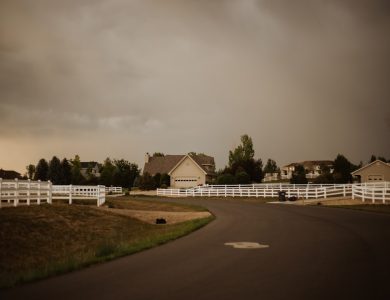
This Homeowners Insurance & Home Repair Protection Guide explains how American homeowners can financially shield their largest asset using a layered strategy: a standard homeowners policy for catastrophic damage, a home warranty for system and appliance breakdowns, and disciplined claim documentation when disaster strikes. According to the Insurance Information Institute (III), roughly 93% of US homeowners carry property insurance, yet the National Association of Insurance Commissioners (NAIC) reports that many remain underinsured relative to current rebuilding costs. Understanding what each layer covers — and where the gaps are — is the difference between a manageable repair bill and a six-figure surprise.
What Homeowners Insurance Actually Covers
A standard HO-3 policy, the most common form sold in the United States, covers your dwelling, other structures, personal property, liability, and additional living expenses if your home becomes uninhabitable. The III notes that HO-3 policies provide “open peril” coverage on the dwelling itself, meaning damage is covered unless specifically excluded. Common exclusions include flood, earthquake, normal wear and tear, pest damage, and mechanical breakdown.
Dwelling coverage should reflect the cost to rebuild, not the market price of the home. A reconstruction cost estimator — the same tool insurers use — produces a more accurate figure than online home value sites. The NAIC recommends reviewing coverage limits annually because construction costs have climbed sharply in recent years, leaving homes insured at outdated valuations exposed to coinsurance penalties.
Personal property is typically covered at 50–70% of dwelling limits, while liability commonly starts at $100,000, though many advisors suggest $300,000 or higher. High-value items like jewelry, firearms, and collectibles usually require scheduled endorsements because base policy sublimits are low.
How Home Warranty Plans Differ From Insurance
Home warranty plans and homeowners insurance solve different problems. Insurance handles sudden, accidental damage from covered perils — a tree falling on the roof, a kitchen fire, a burst pipe. Home warranty plans, by contrast, cover the repair or replacement of major systems and appliances that fail due to normal wear: HVAC units, water heaters, dishwashers, ovens, and electrical or plumbing components.
According to consumer reporting from Forbes, the average home warranty in the US costs between $300 and $700 per year, with service call fees ranging from $75 to $150 per visit. Coverage caps vary widely, often $1,500–$3,000 per appliance, which may not fully replace high-end equipment.
A warranty makes the strongest financial sense for owners of older homes with aging systems, buyers who inherited unknown appliance histories, or those without emergency savings to absorb a $5,000 HVAC replacement. Buyers in newer construction with manufacturer warranties already in force may see less immediate value.
How to Shop for Homeowners Insurance Quotes
Comparing homeowners insurance quotes is the single most effective way to lower premiums without reducing protection. The III reports that pricing for identical coverage can vary by hundreds of dollars between carriers in the same ZIP code. Premiums are influenced by claims history, credit-based insurance score (banned in California, Maryland, and Massachusetts), roof age, distance to a fire hydrant, and proximity to coast or wildfire zones.
When gathering quotes, request identical coverage limits, deductibles, and endorsements from each carrier so the comparison is genuinely apples-to-apples. Standard deductibles range from $500 to $2,500, but coastal states often impose separate percentage-based deductibles for named storms — typically 1% to 5% of dwelling coverage.
Bundling auto and home policies commonly yields 10–25% discounts. Other meaningful credits include impact-resistant roofing, monitored security systems, and claim-free history. Independent agents can quote multiple carriers in one conversation, which is particularly useful in non-admitted markets like Florida and Louisiana where standard insurers have retrenched.
Filing a Roof Damage Insurance Claim Step by Step
A roof damage insurance claim is among the most common — and most disputed — filings on a homeowners policy. The III estimates wind and hail account for the largest share of homeowners insurance losses by frequency. To protect your claim:
- Document immediately. Photograph and video all visible damage from the ground before any repairs. Note the date of the storm.
- Mitigate further damage. Policies require reasonable steps — tarping a leaking roof, for example. Save receipts; these costs are typically reimbursable.
- Get an independent roofing inspection. Choose a licensed local contractor, not a storm-chasing out-of-state crew.
- File promptly. Most policies require notice within 12 months, but waiting weakens the causation argument.
- Review the adjuster’s estimate. If the insurer’s figure is materially lower than your contractor’s, you can request reinspection or hire a public adjuster, licensed in most states.
Roof age matters: many carriers now depreciate roofs older than 15–20 years on an actual cash value basis rather than replacement cost, which can dramatically reduce payouts.
Coverage Gaps Most Homeowners Overlook
Federal Emergency Management Agency (FEMA) data indicates that flood damage is excluded from every standard homeowners policy in the United States. Flood coverage must be purchased separately through the National Flood Insurance Program (NFIP) or a private flood insurer. FEMA reports that just one inch of water can cause roughly $25,000 in damage, and more than 40% of NFIP claims come from outside high-risk flood zones.
Earthquake coverage is similarly excluded and requires an endorsement or standalone policy — most often through the California Earthquake Authority in that state. Sewer and drain backup is excluded under most base policies but can usually be added for $40–$80 annually.
Other frequently missed gaps include:
- Ordinance or law coverage for code-required upgrades during repairs
- Service line coverage for buried utility lines you own
- Equipment breakdown for electrical surges and HVAC failures
- Extended replacement cost that pays 25–50% above dwelling limit if rebuilding costs spike after a disaster
What Experts Recommend
Industry analysts and consumer advocates converge on several principles for a resilient home protection plan. First, insure to rebuilding cost and re-evaluate annually. The NAIC has repeatedly warned that inflation in construction labor and materials has outpaced automatic policy adjustments, leaving many homeowners 20% or more underinsured.
Second, raise the deductible deliberately. Moving from a $500 to a $2,500 deductible can reduce premiums by 15–25%, according to III analyses, but the savings only make sense if the homeowner has the cash reserves to cover the higher out-of-pocket amount.
Third, separate predictable maintenance from catastrophic risk. Experts recommend reserving insurance for true emergencies and using either a home warranty or a dedicated savings account for normal system failures. Filing small claims can trigger non-renewal in tightening markets.
Finally, document the home before anything happens. A room-by-room video inventory stored in cloud backup is the single most useful piece of evidence in a contested claim. Combine that with annual roof, plumbing, and HVAC inspections to catch deterioration before it becomes a denied claim.
State-Specific Considerations and Average US Costs
Homeowners insurance costs and rules vary substantially by state. The III reports the national average annual premium has risen significantly in recent years, with the highest premiums concentrated in hurricane-exposed states like Florida, Louisiana, and Oklahoma, and the lowest in Vermont, Oregon, and Utah.
| State Type | Typical Premium Range | Key Risk Driver |
|---|---|---|
| Gulf Coast | $3,500–$6,000+ | Hurricane, wind |
| Tornado Alley | $2,500–$4,500 | Hail, wind |
| Western wildfire zones | $2,000–$5,000 | Wildfire |
| Northeast | $1,200–$2,200 | Winter storm, aging homes |
| Midwest (low-risk) | $900–$1,800 | General weather |
State insurance departments — accessible through the NAIC’s directory — publish complaint indexes and approved rate filings. In hardening markets like Florida and California, state-run insurers of last resort (Citizens Property Insurance and the FAIR Plan, respectively) have become significant players. These policies often carry higher premiums and narrower coverage, making private market shopping worthwhile even when difficult.
When to Consult a Licensed Professional
Insurance is a YMYL (Your Money or Your Life) topic, and policy language is binding. As of 2026, market conditions in several states remain volatile, with carriers entering, exiting, and revising underwriting rules frequently. Homeowners should consult a licensed insurance agent or broker before purchasing or substantially changing coverage, particularly when:
- Buying a home in a coastal, wildfire, or flood-prone area
- Filing a large or disputed claim, especially involving structural or roof damage
- Renovating in ways that change replacement cost or liability exposure
- Operating a business or short-term rental from the property
For contested claims, licensed public adjusters and policyholder attorneys can review denials. State departments of insurance offer free consumer complaint and mediation services. Combining the right policy, an appropriate home warranty, and disciplined documentation positions homeowners to absorb both predictable repairs and unpredictable disasters without financial catastrophe.
Frequently Asked Questions
- What's the difference between homeowners insurance and a home warranty?
- Homeowners insurance covers sudden, accidental damage from covered perils such as fire, theft, windstorm, or a burst pipe, and it also includes liability protection. Home warranty plans cover the repair or replacement of major systems and appliances — HVAC, water heaters, dishwashers, plumbing components — that fail due to normal wear and tear, which insurance specifically excludes. Most US homeowners benefit from both: insurance for catastrophic risk and a warranty (or a dedicated repair fund) for predictable breakdowns. Warranties typically cost $300–$700 annually with $75–$150 service fees, while insurance premiums depend heavily on location and home value.
- How do I get accurate homeowners insurance quotes?
- Request quotes from at least three carriers using identical coverage limits, deductibles, and endorsements so the comparison is meaningful. Have your home’s square footage, year built, roof age, construction type, and any safety features (alarm, water shutoff) ready. An independent agent can quote multiple insurers in one session, which is particularly valuable in difficult markets like Florida, Louisiana, and California. Ask about bundling discounts with auto insurance, claim-free credits, and impact-resistant roofing discounts. Review the rebuilding cost estimate carefully — insuring at market value rather than replacement cost is one of the most common and expensive mistakes.
- How do I file a roof damage insurance claim successfully?
- Document the damage immediately with dated photos and video before any repairs. Take reasonable mitigation steps such as tarping leaks, and save all receipts. Hire a licensed local roofing contractor — not a door-to-door storm chaser — to provide a written inspection and estimate. File the claim promptly through your insurer’s app, website, or agent. When the adjuster inspects, be present, share your documentation, and request a written estimate. If the insurer’s figure is materially lower than your contractor’s, ask for reinspection or hire a state-licensed public adjuster. Keep in mind older roofs may be settled at actual cash value rather than replacement cost.
- Does homeowners insurance cover roof leaks?
- It depends on the cause. Sudden damage from a covered peril — wind, hail, a falling tree — is typically covered, and the resulting interior water damage usually is as well. Leaks caused by gradual deterioration, poor maintenance, or an aged roof at the end of its service life are excluded under nearly every policy because they’re considered wear and tear. Many insurers now apply roof-specific endorsements that depreciate roofs over 15–20 years old, paying actual cash value rather than full replacement cost. Regular inspections and prompt repairs strengthen any future claim by demonstrating the homeowner maintained the property reasonably.
- Are home warranty plans worth the cost?
- Home warranty plans tend to deliver the best value for owners of homes more than 10 years old, buyers who inherited unknown appliance histories, and households without significant emergency savings. A single HVAC compressor replacement can cost $3,000–$7,000, which a warranty may cover for a fraction of that. They make less sense for newer homes still under builder or manufacturer warranties, or for homeowners who maintain a dedicated repair fund. Read the contract carefully: coverage caps, exclusions for pre-existing conditions, and required maintenance documentation can limit payouts. Consumer reports suggest comparing at least three providers and checking state complaint records before purchasing.
- How much homeowners insurance do I really need?
- Dwelling coverage should equal the full cost to rebuild your home at current construction prices, not its market value or purchase price. Use a reconstruction cost estimator or ask your agent to run one. Personal property coverage typically runs 50–70% of the dwelling limit, and liability should be at least $300,000 for most households, with an umbrella policy considered above $500,000 net worth. Add extended replacement cost (25–50% above dwelling limit) to absorb post-disaster construction inflation, plus ordinance or law coverage for code upgrades. Review limits annually because rebuilding costs have risen sharply in recent years according to NAIC data.
- What's not covered by standard homeowners insurance?
- Standard policies exclude flood damage, earthquake damage, normal wear and tear, pest infestations, mold beyond limited amounts, intentional acts, and mechanical or appliance breakdowns. Flood coverage requires a separate NFIP or private flood policy — FEMA reports over 40% of flood claims originate outside high-risk zones. Earthquake coverage requires an endorsement or standalone policy. Sewer backup, service line breaks, and equipment breakdown are typically excluded but can usually be added as affordable endorsements. Business activities, short-term rentals, and certain dog breeds may also be restricted. Review your declarations page and exclusions section annually, and ask your agent about endorsements that close common gaps.
- Will filing a claim raise my homeowners insurance premium?
- Often yes. The Insurance Information Institute notes that a single claim can raise premiums 7–10% at renewal, and two claims within a few years can lead to non-renewal in tightening markets. Liability claims and water damage claims tend to have the largest impact. For small losses near or below the deductible, paying out of pocket usually makes more financial sense than filing. However, large claims — structural damage, fire, total roof loss — are exactly what insurance exists for and should be filed. Before filing a borderline claim, ask your agent how it would affect your renewal rate and CLUE report.