Which Ontario? Disambiguate Before You Panic
Before you read another word: are you searching about Ontario, California or Ontario, Canada? There are two, and the news rarely tells you which one upfront. One is a mid-sized city in San Bernardino County, California; the other is Canada’s most populous province. A crash report mentioning “the 10 Freeway” and “CHP” is California. A report citing “Highway 401” and “OPP” is Canada. Knowing the tells saves you from reading three articles about the wrong continent.
| Clue | Ontario, California | Ontario, Canada |
|---|---|---|
| Roads | I-10 (“the 10 Freeway”), I-15, SR-60 | Highway 401, 400, QEW |
| Police agency | CHP (California Highway Patrol) | OPP (Ontario Provincial Police), regional services |
| Traffic system | Caltrans QuickMap | Ontario 511 (511on.ca) |
| Naming style | “the” + number (“the 10”) | Number only (“the 401”) |
That little “the” in front of freeway numbers is a dead giveaway for California; Canadians almost never say it. To force the right results, add a disambiguating term to your query: “Ontario CA” or “San Bernardino” for the city, or “Ontario province”, “Highway 401”, or “OPP” for Canada.
Notable Recent Accidents in Ontario, Canada
If you mean the Canadian province, here’s a snapshot of the kinds of incidents drawing attention lately, so you can match what you heard against something concrete. Ontario’s busiest corridors — the 401, 400, and QEW — see thousands of collisions a year, and the serious ones make headlines fast.
The Ontario Provincial Police (OPP) regularly reports major closures on Highway 401 — the country’s busiest highway — particularly through the Greater Toronto Area and the stretch near Kitchener-Cambridge, where multi-vehicle pileups in poor weather can shut lanes for hours. Recent OPP releases have described collisions involving transport trucks that closed all lanes in one direction, with detours and investigations running well past the morning rush.
On the QEW and Highway 400, both OPP and regional services like York Regional Police and Waterloo Regional Police confirm casualty counts, lane impacts, and whether the road is fully or partially open through their official feeds.
One honest caveat: these details change by the minute. A “fully closed” highway can reopen within an hour, and early casualty figures are often revised. Treat this as orientation — enough to confirm which incident you’re tracking — not as a live status. For the current picture, jump to the official tools covered below.
Notable Recent Accidents in Ontario, California
If the Ontario you care about sits in San Bernardino County, you’re dealing with one of Southern California’s busiest freeway corridors — and the crashes here tend to be high-speed, multi-vehicle pileups rather than fender-benders. Three highways do the heavy lifting around the city: Interstate 10, Interstate 15, and State Route 60, and all three see regular incident reports from the California Highway Patrol (CHP).
Recent activity has clustered where these routes intersect. The I-10 through Ontario, a primary east-west commuter artery, has logged repeated rush-hour collisions near the Euclid and Vineyard exits. The I-15 interchange — where traffic funnels toward the Cajon Pass — is a recurring hotspot for chain-reaction crashes, especially during rain or low-visibility mornings. SR-60 west of the 15 has seen its share of injury collisions and big-rig involvement.
For verified specifics, lean on three sources: the CHP Traffic Incident Information Page (which lists active incidents in near real time), the Ontario Police Department for city-street crashes, and established outlets like the Press-Enterprise or AP for confirmed casualty details. As with the Canadian side, any summary can lag behind a fast-moving scene — a crash cleared an hour ago and one happening now look identical in a stale headline.
Is the Road Closed Right Now? How to Check Live Status
Skip the news articles — they’re often hours behind reality. The fastest answer to “is this road actually closed?” comes from the agencies that control the lanes, and which tool you use depends on which Ontario you’re dealing with.
If you mean Ontario, Canada
Go straight to Ontario 511 (511on.ca or the free Ontario 511 app). It shows live highway closures, traffic cameras, and travel times for the 401, QEW, and other provincial routes. On mobile, tap the map, zoom to your stretch of highway, and look for the red closure icons and yellow incident markers — each one expands to show what happened and any estimated clearing time.
For local roads outside provincial jurisdiction, regional police feeds are faster. York Regional Police and Waterloo Regional Police both post active collision and road-closure updates on X (Twitter) and their websites, frequently within minutes of officers arriving on scene.
If you mean Ontario, California
Use Caltrans QuickMap (quickmap.dot.ca.gov) for live closures and camera feeds on the 10, 60, and 15 freeways, and cross-check the CHP Traffic Incident Information page for real-time dispatch logs near Ontario, CA.
Reading a closure status
Treat estimated reopening times as rough guesses, not promises. A “full closure” means all lanes are blocked; “estimated reopening 2:30 PM” can slip by an hour or more if investigators are still working. When the estimate keeps moving, plan an alternate route rather than waiting.
How to Check if Someone You Know Was Involved
The waiting is the hardest part — and the worst thing you can do is refresh a Facebook thread full of guesses. If you’re worried someone you love was caught in a crash, start with the calmest, fastest move: call or text them directly. People often surface within minutes, and a stalled commute can look identical to a wreck from the outside.
If you can’t reach them, go to official channels before social media speculation.
Who to call in Ontario, Canada
- OPP non-emergency line: 1-888-310-1122 for provincial highway incidents (like Highway 401).
- Local or regional police (York Region, Waterloo Regional) for city streets — use their published non-emergency numbers.
- Area hospitals if you suspect injuries; ask for patient information services.
Who to call in Ontario, California
- California Highway Patrol (CHP): handles freeway crashes (the 10, 60, 15).
- San Bernardino County Sheriff for surface-street incidents.
- Local hospitals for patient status.
Here’s why you may hit a wall: police withhold victims’ names until next-of-kin are notified in person. That silence isn’t a brush-off — it’s protocol meant to spare families from learning devastating news through a headline. If you’re the next of kin, that notification will come to you directly.
Call 911 only to report an active emergency — someone trapped, injured, or in immediate danger. For status checks and inquiries, always use non-emergency lines so you keep 911 open for people who need it now.
Red Flags: Avoiding Misinformation and Outdated Reports
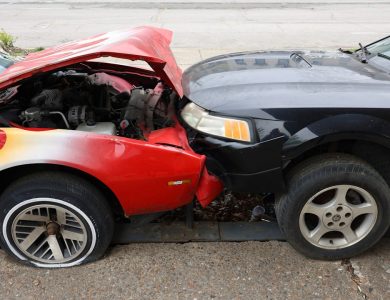
That dramatic crash photo racing across your feed? There’s a decent chance it’s from a different accident — possibly a different year, possibly a different country. During a breaking incident, misinformation moves faster than verified facts, and knowing the warning signs can save you a panic spiral over something that didn’t happen the way it’s described.
Here’s what should make you skeptical:
- No timestamp. If a post or article doesn’t tell you exactly when it was published or updated, treat the “closure” as unconfirmed. Roads reopen fast.
- Vague location. “Major crash in Ontario” with no highway number, exit, or region is a red flag — and often the Ontario, California vs. Ontario, Canada mix-up in action.
- Recycled photos. A reverse image search (right-click on desktop, or paste into Google Images) frequently reveals the dramatic wreckage shot is years old.
Social media spreads bad casualty counts because eyewitnesses guess, and guesses get screenshotted as fact. The Associated Press and Reuters both have standing policies of not reporting fatality numbers until officials confirm them — you should hold yourself to the same bar. Before you share or worry further, confirm the source is genuinely official: the police service’s verified account, Ontario 511, or a named reporter at an established outlet. If the only “source” is an anonymous group post, wait.
Where to Get Verified Live Updates and Official Sources
Bookmark this section now, because the worst time to hunt for a reliable traffic source is mid-crisis when rumors are flying. Save these official channels to your phone’s home screen so you can pull verified status in seconds.
Ontario, Canada
- Ontario 511 (511on.ca or the Ontario 511 app) — the provincial source for real-time highway closures, including Highway 401, the QEW, and the 400-series. This is your first stop for lane status and detours.
- Ontario Provincial Police (OPP) — follow @OPP_HSD and @OPP_GTA on X for incident-specific updates on collisions and investigations.
- Regional police feeds — York Regional Police (@YRP), Waterloo Regional Police (@WRPSToday), and Peel Regional Police post fast local crash alerts.
Ontario, California
- Caltrans QuickMap (quickmap.dot.ca.gov) — live closures and incidents on the 10 Freeway, I-15, and SR-60.
- California Highway Patrol (CHP) — the CHP Traffic Incident Information Page lists active incidents minute by minute.
Setting Up Faster Alerts
Enable push notifications in the Ontario 511 app, follow the relevant police accounts above, and sign up for emergency alerts through Alert Ready (Canada) or your county’s Wireless Emergency Alerts (US). For news, the AP and Reuters wire services confirm major incidents quickly. Cross-check at least two of these before believing any single report.
What to Do Next After an Accident: Safety, Insurance, Legal
If you were in the crash yourself, the minutes right after matter more than almost anything you’ll do later — for your safety, your wallet, and any claim you might file. Your first move is the same in both Ontarios: get yourself and your vehicle out of live traffic if you safely can, switch on hazards, and call 911 if anyone is hurt.
Reporting obligations differ by location
In Ontario, Canada, you must report any collision involving injury, or property damage over $5,000, to police — often via a Collision Reporting Centre within 24 hours if officers don’t attend. In Ontario, California, state law requires reporting to the DMV (Form SR-1) within 10 days for injuries, deaths, or property damage exceeding $1,000.
Document everything before you leave
- Photos of all vehicles, plates, road conditions, and visible injuries
- Names, contact info, and insurance details of every driver
- Witness contacts and the responding officer’s report number
Insurance and when to escalate
Notify your insurer promptly — most policies require it within days. If there are serious injuries, disputed fault, or a lowball settlement offer, consult a lawyer before signing anything. To vet one, check the Better Business Bureau and your provincial or state bar association directory. Many personal-injury attorneys offer free initial consultations, so cost shouldn’t stop you from getting an honest read on your options.