The Face You Meet When You Can’t Sleep
If the idea of falling asleep in an unfamiliar room while a stranger watches you breathe makes your skin crawl, you’re not alone. But the person behind the monitoring window isn’t a passive security guard logging your hours of rest—they’re a registered polysomnographic technologist, and for the duration of your study, they are your most attentive clinical ally.
While the physician who referred you interprets your results days later, the polysomnographic technician makes real-time decisions at 2:00 a.m. They’re trained to distinguish a harmless leg twitch from the rhythmic thrashing of REM behavior disorder, and to recognize when a drop in oxygen saturation signals an emergency rather than a routine data point. According to the American Academy of Sleep Medicine, a technologist must monitor at least 16 different physiological channels simultaneously—brain waves, eye movements, heart rhythm, airflow, respiratory effort, and limb activity among them—and intervene the moment a pattern turns dangerous.
Sleeping covered in wires and conductive paste feels unnatural. A skilled tech knows this and walks you through every sensor placement before lights-out, demystifying the equipment so it feels less like a clinical interrogation and more like a diagnostic partnership. If a lead slips loose or you need the restroom at 3:00 a.m., they’re the calm voice over the intercom guiding you through it. They’re not there to judge your insomnia or your snoring; they’re there to catch the silent cardiac arrhythmias and apneic events your body hides when you’re awake. In a vulnerable, overnight setting, that vigilance is the difference between a wasted night of bad data and a study that finally explains why you haven’t felt rested in years.
One Night in the Sleep Lab: A Shift Walkthrough
The shift starts not with a machine, but with a handshake. When you arrive, usually between 8:00 and 9:30 p.m., the polysomnographic technician greets you and walks you to a private room that looks more like a hotel than a hospital bay. Their first job is to translate clinical jargon into plain reassurance—explaining exactly where each sensor goes and why. Then comes the setup: roughly 20–25 small electrodes applied with conductive paste to your scalp, face, chest, and legs. Two elastic belts wrap around your torso to measure breathing effort, and a sensor clips onto your finger to track oxygen levels. The entire process takes about 45–60 minutes, and the tech double-checks every signal at a monitoring station outside your room before you turn out the light.
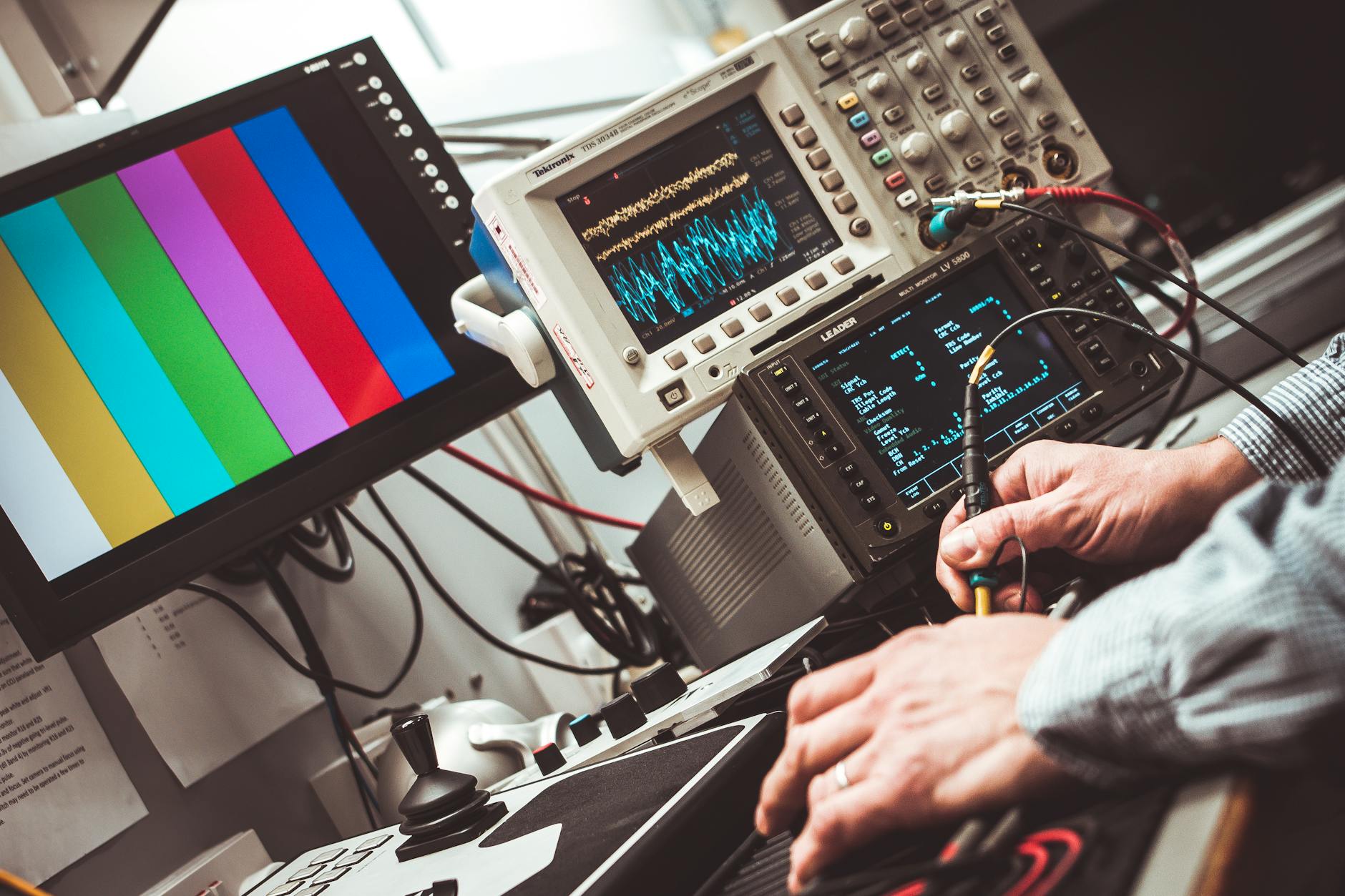
Once you’re asleep, the real observation begins. From the control room, the technician watches a live symphony of data streams on a split-screen display. One channel shows your brain waves (EEG) to identify sleep stages; another tracks eye movements (EOG) to catch the rapid flicker of REM sleep. Muscle tone (EMG), heart rhythm (ECG), airflow, and chest movement all paint a second-by-second picture of what your body is doing while you’re unconscious. A single overnight study can generate over 1,000 pages of data—all of it monitored in real time by a trained human being who can distinguish a harmless leg twitch from a respiratory event that drops your oxygen saturation dangerously low.
That vigilance turns observation into intervention. If the tech sees repeated apneas—pauses in breathing that last 10 seconds or longer—they may initiate a split-night protocol, entering your room quietly around 2:00 or 3:00 a.m. to fit a CPAP mask. They then remotely adjust the air pressure from the control room, titrating it upward in small increments until your airway stabilizes and your oxygen levels recover. By morning, the tech removes the sensors, cleans the equipment, and sends you home with the strange sensation of having been watched all night by someone you barely noticed was there—which is exactly the point.
The Safety Net You Don’t See
When you’re hooked up to a tangle of wires in an unfamiliar bed, the quiet fear that something could go wrong while you’re unconscious is real. What makes that fear manageable is the person watching the live data stream in the next room. A polysomnographic technician isn’t just scoring sleep stages—they’re scanning your electrocardiogram (ECG) for sudden shifts that signal serious cardiac arrhythmias, like atrial fibrillation or prolonged pauses between heartbeats, and tracking your oxygen saturation for drops that indicate severe hypoxia.
According to the American Heart Association, sleep-disordered breathing is strongly linked to nocturnal arrhythmias that can remain completely hidden during a daytime cardiology workup. The tech is trained to recognize those patterns in real time. The same goes for seizure activity that surfaces only during sleep, or REM behavior disorder—a condition where the normal muscle paralysis of dream sleep fails, causing people to physically act out violent dreams, sometimes injuring themselves or a bed partner. A sharp tech catches the characteristic muscle tone spikes and erratic limb movements on the synchronized video and sensor feeds before anyone gets hurt.
Here’s what most patients don’t realize: in the middle of the night, the interpreting sleep physician is almost always off-site. The tech is your first line of defense—the only clinician physically present who can assess an emergency, initiate a rapid response, or wake you to prevent a dangerous escalation. They’re not diagnosing you on the spot, but they are making the split-second safety calls that keep an overnight study from turning into an overnight crisis.
Technician vs. Technologist vs. Sleep Doctor: Clearing the Confusion
If you’ve ever glanced at a sleep clinic’s staff page or received a report with a string of unfamiliar letters after someone’s name, the titles can feel like alphabet soup. Here’s the straightforward hierarchy: the person who stays awake while you sleep is almost certainly a technician or a technologist—and they are not the same as the doctor who ultimately diagnoses you.
A Certified Polysomnographic Technician (CPSGT) holds an entry-level credential. Think of this as the licensed launchpad. A CPSGT has completed rigorous training and passed an exam proving they can safely hook up the complex array of sensors, monitor a patient’s vitals in real time, and recognize normal from abnormal sleep physiology. This certification, overseen by the Board of Registered Polysomnographic Technologists (BRPT), is often a stepping-stone.
The Registered Polysomnographic Technologist (RPSGT) credential represents advanced certification. According to the BRPT, earning the RPSGT requires a more extensive combination of clinical experience and education, and it is widely considered the gold standard in the field. When an RPSGT is running your study, you’re being monitored by someone with a deeper scope of practice—trained to titrate complex airway pressure devices, spot nuanced cardiac arrhythmias, and intervene during emergencies without waking the physician unless absolutely necessary. Many states require this credential for independent night-shift work.
Neither of these professionals tells you that you have narcolepsy or prescribes a CPAP machine. That responsibility falls to the Board-Certified Sleep Physician—an MD or DO who interprets the 1,000-plus pages of data generated by the tech, correlates it with your medical history, and delivers a formal medical diagnosis. The technician collects the story; the physician writes the final chapter.
Mapping the Career Path: From Entry-Level to Sleep Center Director
If you’re worried that becoming a sleep tech means hitting a pay ceiling in two years, the actual career ladder might surprise you. The field is built on a stacked credentialing system that directly ties higher certification to higher responsibility—and higher income.
The On-Ramp: Trainee to CPSGT
Most people enter through an A-STEP (Accredited Sleep Technologist Education Program), a self-paced online course backed by the American Academy of Sleep Medicine. From there, you complete on-the-job clinical hours under supervision. At this stage, you’re a trainee earning roughly $35,000–$45,000 while learning to hook up electrodes and monitor a single overnight patient. Once you pass the Certified Polysomnographic Technician (CPSGT) exam, you hold a licensed entry-level credential designed to bridge you toward the gold standard.
The Pivot Point: RPSGT
Within 18 to 24 months, most techs sit for the Registered Polysomnographic Technologist (RPSGT) exam through the Board of Registered Polysomnographic Technologists. This is the career’s true inflection point. An RPSGT can independently monitor complex patients, titrate PAP therapy, and spot cardiac arrhythmias in real time. The salary jumps accordingly—current ranges typically fall between $55,000 and $80,000 depending on geography and shift differentials. This credential also unlocks roles that don’t require you to work overnight forever.
Beyond the Bedside: Scoring, Management, and Research
With an RPSGT and a few years of experience, the path forks. You can move into scoring—analyzing sleep study data during daylight hours—or shift into Home Sleep Apnea Testing (HSAT) coordination, educating patients on take-home devices and interpreting their adherence data. For those drawn to leadership, a clinical coordinator or sleep center manager role pushes compensation well past $90,000. Some RPSGTs also transition into clinical research, running trials for pharmaceutical companies or device manufacturers. The entry-level trainee position isn’t the destination; it’s the ticket to a vertically structured allied health field where your credential directly signals what you’re qualified to do next.
Is This Job Stable? The Demand Nobody Talks About
If you’re looking for a career that can’t be reduced to a smartphone app, this is it. While millions of workers worry about automation, sleep labs are quietly facing the opposite problem: a tidal wave of undiagnosed patients and not enough qualified people to monitor them. According to the American Academy of Sleep Medicine, an estimated 30 million US adults have obstructive sleep apnea—and roughly 80% of moderate to severe cases remain undiagnosed. That gap isn’t closing on its own.
You’ll hear a lot about home sleep tests, and they’ve carved out a role for straightforward screening. But patients with cardiac comorbidities, neuromuscular disorders, or complex central sleep apnea patterns still need a full in-lab polysomnogram. Home devices can flag an issue, but they can’t titrate PAP therapy in real time, spot seizure activity during REM, or catch a dangerous cardiac arrhythmia at 2 a.m. The industry is seeing a steady shift toward in-lab studies for higher-acuity patients—the exact cases that demand a technician’s physical presence and split-second judgment.
The physical, on-site nature of the work is your strongest hedge against AI replacement. A sensor that slips off a patient’s scalp at 3 a.m. requires human hands to reposition. A patient who wakes up disoriented and tries to rip off their leads needs a calm voice in the room, not a software alert. You can’t outsource that reassurance to a server farm, and you can’t automate the nuanced pattern recognition of a technician watching a live 16-channel waveform screen. The demand isn’t theoretical—it’s biological, and it’s growing every year.
How to Verify a Sleep Clinic’s Credentials Before Your Study
Walking into a sleep lab for the first time can feel oddly vulnerable—you’re about to let a stranger watch you sleep while you’re wired from scalp to shin. The single best way to quiet that anxiety before it starts is to confirm the facility knows what it’s doing. Not all sleep clinics operate at the same standard, and verifying credentials takes about five minutes.
Start with the seal that matters most: accreditation from the American Academy of Sleep Medicine (AASM). This isn’t a rubber stamp. AASM-accredited centers must meet strict standards for staff qualifications, testing protocols, and safety procedures. You can search the AASM website directly to confirm a clinic’s status before you book. If the facility doesn’t display the seal or come up in that directory, ask why.
Next, ask a specific question when you call: “Are the technologists who will monitor me overnight board-registered RPSGTs or certified CPSGTs?” The Registered Polysomnographic Technologist (RPSGT) credential is the field’s highest clinical certification, while the Certified Polysomnographic Technician (CPSGT) is an entry-level credential for those still accumulating clinical hours. Either is legitimate, but you want to hear a clear answer—not a vague “our staff is trained.”
Finally, check your state’s licensure requirements. A growing number of states require polysomnographic technologists to hold a formal license, and many maintain public lookup tools where you can verify an individual’s standing. A clinic that hesitates when you ask about these details is one you should think twice about. You’re not being difficult—you’re confirming that the person watching your breathing, heart rhythm, and brain activity overnight has proven they know how to catch the moment something goes wrong.
What Experts Recommend: Questions to Ask Before Your Career Training Begins
Before you pay a dollar for tuition, treat this career decision as a diagnostic exercise—because not all training programs set you up for the credential you need. The only credential that matters for full-scope work in accredited sleep centers is the Registered Polysomnographic Technologist (RPSGT) exam, and sitting for it requires graduating from a program accredited by the Commission on Accreditation of Allied Health Education Programs (CAAHEP). If a school can’t immediately point you to its CAAHEP accreditation status on its website, walk away. A certificate from a non-accredited program might leave you ineligible to sit for the board exam, which means you’ve spent time and money on a credential that sleep labs won’t recognize.
Next, ask the program director point-blank: “Where do your students complete their clinical hours, and do you guarantee placement?” The RPSGT pathway demands hundreds of hours of hands-on patient contact—hooking up electrodes, calibrating equipment, and scoring studies under supervision—and you cannot self-source these hours by cold-calling local hospitals. Strong programs maintain active partnerships with AASM-accredited sleep centers and assign you to a preceptor. If the answer sounds vague or the program suggests you’ll need to “find your own site,” consider that a red flag.
Finally, do an honest self-assessment that goes beyond “I’m a night owl.” Overnight shifts in this field aren’t quiet study halls—you’ll be on your feet applying sensors to patients who may be anxious, disoriented, or physically fragile. You’ll need the physical endurance to move between patient rooms for 10–12 hours and the fine motor control to place electrodes precisely on someone who is restless. Emotionally, you’ll sit with patients who stop breathing during their study, and you’ll be the first responder when cardiac arrhythmias appear on the monitor. The work is deeply meaningful, but it asks for steady hands and a steady nervous system at 3:00 a.m. If that sounds like the kind of challenge that wakes you up rather than wears you down, you’re asking the right questions.
When to Seek a Specialist: Why Your PCP Referral Might Not Be Enough
If you’ve been white-knuckling through exhaustion or your partner keeps jolting you awake because you’ve stopped breathing, your primary care provider is the correct first stop—but it doesn’t have to be the last. A PCP can screen for red flags, yet they rarely have the equipment or specialized training to rule out the most dangerous sleep disorders. According to the American Academy of Sleep Medicine, a full in-lab polysomnogram (PSG) is warranted when you present with complex insomnia that hasn’t responded to standard behavioral changes, suspected central sleep apnea (where the brain intermittently fails to tell the lungs to breathe), REM sleep behavior disorder that causes you to physically act out violent dreams, or parasomnias like sleepwalking that put you at risk of injury. A home sleep test won’t capture the neurological data a registered polysomnographic technician gathers during those overnight hours, and missing that data can leave a cardiac arrhythmia or seizure activity undiagnosed.
This is also where the distinction between a clinical team and the booming sleep-wellness industry becomes critical. A sleep coach or a wearable ring can flag movement and oxygen dips, but they cannot stage your sleep architecture or identify the precise apnea type. Board-certified sleep physicians interpret the raw waveform data that a polysomnographic technician collects, and that objective record is what determines whether you need a CPAP, an oral appliance, or a neurological referral. Self-managing suspected apnea with a secondhand machine or an unverified online purchase bypasses that safety net entirely. Without a technician’s real-time monitoring to titrate pressure and watch for mask leak, you risk normalizing a pressure setting that’s too low to protect your heart—or too high to keep your airway safe.