Gaming subscription services let players access expansive libraries of console, PC, and cloud-streamed titles for a recurring monthly fee, replacing the traditional model of buying games one at a time. For US consumers, the major options as of 2026 include Xbox Game Pass, PlayStation Plus, Nintendo Switch Online, Ubisoft+, and EA Play, along with hardware-bundled offerings like the OMEN Gaming Subscription. This guide explains how these services work, what they cost, and how to choose the right one based on your platform, budget, and playing habits.
With the average new AAA console game now priced at $70 and many premium titles approaching $80, subscription gaming has become a mainstream value proposition. Below, we break down the leading services, their pricing structures, and the trade-offs every US subscriber should understand before committing.
What Gaming Subscription Services Actually Are
A gaming subscription service is a recurring-fee membership that grants access to a rotating or persistent library of video games. Instead of purchasing individual titles, subscribers pay monthly or annually for streaming, downloads, or both. Most services operate on a Netflix-style model: the catalog evolves over time, with new games added and older ones cycling out as licensing agreements expire [1].
These services typically fall into three categories. First, first-party platform subscriptions such as Xbox Game Pass, PlayStation Plus, and Nintendo Switch Online are tied to a specific console ecosystem. Second, publisher subscriptions like Ubisoft+ and EA Play offer libraries limited to a single publisher’s catalog [3]. Third, hardware-bundled subscriptions such as the OMEN Gaming Subscription combine a physical gaming PC or laptop with software access for one monthly payment, with options to upgrade hardware yearly [7].
Adjacent services round out the landscape. Twitch Prime is bundled into Amazon Prime memberships and includes in-game items and free monthly titles [3]. Loot Crate, meanwhile, is a physical subscription box delivering themed gaming and pop-culture merchandise from partners including Warner Bros., Disney, and Marvel [5].
How These Services Work
Most gaming subscriptions follow a similar mechanical structure. After signing up, the subscriber downloads a client or signs in on their console, browses the available library, and installs or streams titles directly. Payments process automatically each month or year until the user cancels.
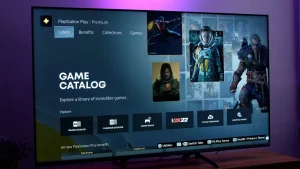
Xbox Game Pass, for example, lets subscribers play on Xbox consoles, Windows PCs, and via cloud streaming on phones, tablets, and supported smart TVs [4]. PlayStation Plus operates similarly within the PlayStation ecosystem, offering downloadable games, classic PlayStation titles, and timed game trials, with the specific catalog varying by subscription tier and over time [6].
Game rotation is the most important mechanic to understand. Titles routinely leave subscription catalogs when licensing deals end. Microsoft, for instance, gives advance notice when games are scheduled to depart Game Pass and typically offers subscribers a discount to purchase those titles outright before they leave [3]. PlayStation Plus operates as an ongoing subscription with automatic recurring fees, and continued access to many library benefits requires keeping the subscription active [6].
Pricing Breakdown for US Subscribers
Pricing varies significantly by platform and tier. The following table summarizes core monthly costs for major services available in the United States.
| Service | Entry Price (Monthly) | Top Tier (Monthly) | Platforms |
|---|---|---|---|
| Xbox Game Pass (Console) | $9.99 | $14.99 (Ultimate) | Xbox, PC, Cloud [3] |
| Xbox Game Pass (PC) | $4.99 | $14.99 (Ultimate) | Windows PC [3] |
| PlayStation Plus | Essential tier | Premium tier | PS5, PS4 [6] |
| Nintendo Switch Online | Standard tier | + Expansion Pack | Nintendo Switch [9] |
| OMEN Gaming Subscription | Hardware-based | Hardware + accessories | PC (laptop included) [7] |
Xbox Game Pass frequently runs a promotional first-month offer at $1, which is widely regarded as one of the best introductory deals in gaming [3]. Annual plans, when available, often deliver modest savings over month-to-month billing. Note that publisher subscriptions like EA Play are often included free within higher Game Pass tiers, effectively bundling multiple services [3][4].
Xbox Game Pass: The Benchmark Service
Xbox Game Pass is widely considered the most comprehensive gaming subscription on the market. New titles are added monthly, including many Microsoft-published first-party games that arrive on the service the same day they release at retail [4]. Subscribers can play across Xbox Series X|S, Xbox One, Windows PC, and through cloud streaming on mobile devices and supported televisions [4].
Community feedback reflects this strength. Discussions on enthusiast forums such as ResetEra indicate that Game Pass is frequently cited as the only subscription service consistently offering a high volume of games users actually want to play [8]. The Game Pass Ultimate tier at $14.99 per month bundles console and PC access along with Xbox Live Gold for online multiplayer, EA Play membership, and cloud gaming [3].
The trade-off is catalog churn. Games do leave the service, sometimes within a year of being added. However, Microsoft mitigates this by providing advance removal notices and offering subscriber discounts of typically 10 to 20 percent to purchase departing games before they exit [3]. For players who finish games quickly or rotate between titles, this rarely poses a problem.
PlayStation Plus and Nintendo Switch Online
PlayStation Plus is Sony’s answer to Game Pass, structured across multiple tiers that scale in price and benefits. The service offers hundreds of downloadable games, a library of PlayStation classics from earlier console generations, and timed game trials for select new releases [6]. For US gamers prioritizing high-quality triple-A exclusives, PlayStation Plus is often recommended for access to Sony’s first-party catalog [9].
Like all subscription gaming services, PlayStation Plus operates with automatic recurring billing, and benefits including cloud saves and online multiplayer require an active subscription [6]. The catalog evolves continually, with games added and removed based on licensing agreements.
Nintendo Switch Online occupies a different niche. The service is most strongly recommended for fans of classic Nintendo titles, providing access to libraries of NES, SNES, and, with the Expansion Pack tier, Nintendo 64 and Sega Genesis games [9]. It also enables online multiplayer for current Switch games and includes cloud save backups. While its modern game library is smaller than its competitors’, its retro catalog and lower base price make it a strong complement to, rather than a replacement for, the other major services.
What Experts Recommend
Industry analysts and consumer-technology publications generally converge on a platform-first approach: choose the subscription that matches the hardware you already own and the genres you actually play. For Xbox and PC owners, Game Pass Ultimate is frequently cited as the strongest overall value due to its breadth, day-one first-party releases, and cross-platform access [1][8]. PlayStation owners seeking access to Sony exclusives are typically pointed toward PlayStation Plus, while Switch owners benefit most from Nintendo Switch Online’s retro library [9].
Experts also recommend taking advantage of introductory offers cautiously. The $1 first-month Xbox Game Pass trial, for example, is an excellent way to evaluate the service, but subscribers should set calendar reminders before renewal at the full rate [3]. Stacking subscriptions is rarely advised. Most US households can extract more value from one well-utilized service than from juggling three.
Finally, analysts suggest evaluating cost-per-hour rather than catalog size. A subscriber who plays 20 hours per month on a $14.99 service pays roughly $0.75 per hour, compared to a $70 retail game that might deliver 15 to 30 hours of play. By that measure, even modestly used subscriptions tend to outperform à la carte purchases for active players.
Hardware Subscriptions and Adjacent Services
Beyond software libraries, hardware-bundled subscriptions have emerged as a category of their own. The OMEN Gaming Subscription from HP, for example, provides a gaming laptop and accessories for a single monthly payment, with the option to upgrade hardware on a yearly basis [7]. This model appeals to PC gamers who want current-generation performance without the upfront $1,500 to $3,000 cost of a new gaming rig.
Twitch Prime, bundled with Amazon Prime, delivers free monthly game downloads, in-game loot, and a Twitch channel subscription at no extra cost beyond the Prime membership itself [3]. For Prime subscribers, it functions as a no-additional-cost benefit rather than a standalone purchase decision.
Loot Crate represents the physical-goods side of the gaming subscription economy. Each themed crate delivers licensed pop-culture merchandise from partners including Warner Bros., Disney, and Marvel [5]. While it does not provide game access, it appeals to collectors and fans of franchise merchandise. Other niche subscription services worth noting include Humble Choice, Ubisoft+ Classics, and EA Play, which serve more specialized audiences focused on indie games or single-publisher catalogs [3][4].
How to Choose the Right Service
Selecting the right gaming subscription comes down to four practical questions. First, what hardware do you already own? Your console or PC will narrow the field immediately. Second, what genres dominate your playtime? Indie and Xbox-exclusive fans gravitate toward Game Pass; cinematic AAA players lean PlayStation Plus; retro and family-friendly players favor Nintendo Switch Online.
Third, how many hours per month do you realistically play? If you average fewer than five hours per month, a single retail purchase may serve you better than any subscription. Fourth, are you sharing the account with household members? Family plans and home-console sharing settings can significantly improve per-person value.
A final consumer note: subscription terms, prices, and catalogs change frequently. Verify current pricing directly on each provider’s official site before subscribing, and review cancellation policies. Most US gaming subscriptions can be canceled online at any time, but some annual plans are non-refundable after a short grace period. For concerns about billing disputes or unauthorized charges, the Federal Trade Commission offers guidance on subscription cancellation rights under the federal Restore Online Shoppers’ Confidence Act.
References
- The Best Video Game Subscription Services | PCMag
- Best & Worst Video Game Subscription Services | The Punished Backlog
- Join Xbox Game Pass | Xbox
- Geek Subscription Box for Gamers & Nerds | Loot Crate
- PlayStation Plus | Sony
- OMEN Gaming Subscription | HP
- What Gaming Services Do You Subscribe To? | ResetEra
- Console Gaming Subscription Services: Which Are Worth It? | The Geek Lyfe
- Online Video Game Subscription Services | Wikipedia
Frequently Asked Questions
- Which gaming subscription service is the best value in the US?
- For most US gamers, Xbox Game Pass Ultimate at $14.99 per month delivers the broadest value, combining hundreds of console and PC titles, day-one access to Microsoft’s first-party releases, EA Play membership, cloud gaming, and online multiplayer in one package. PlayStation owners get strong value from PlayStation Plus due to Sony’s exclusive lineup, while Nintendo Switch Online is the best fit for retro game fans and Switch households. Cost-per-hour analysis generally favors subscriptions over buying $70 retail games if you play more than 10 hours per month consistently.
- Can I share a gaming subscription with family members?
- Sharing rules vary by service. Xbox Game Pass allows the primary subscriber to share their library with one other account on the same console using Xbox’s home console designation feature. PlayStation Plus offers similar sharing through PlayStation’s primary console setting. Nintendo Switch Online includes a Family Membership plan supporting up to eight Nintendo Accounts at a discounted per-user rate, making it the most explicitly family-friendly option. Always review each service’s current terms before purchasing, as account-sharing policies are periodically updated and enforcement practices change.
- Do games stay on subscription services permanently?
- No. Games regularly cycle in and out of subscription libraries as licensing agreements with publishers expire. Xbox Game Pass, for example, gives subscribers advance notice when titles are scheduled to leave and typically offers a discount to purchase those games before they exit the service. PlayStation Plus, Nintendo Switch Online, and Ubisoft+ operate similarly. First-party titles from the platform holder, such as Microsoft Studios games on Game Pass or Sony exclusives on PlayStation Plus, tend to remain available longer than third-party titles, but no game is guaranteed to stay indefinitely.
- Is Xbox Game Pass worth it for PC gamers?
- Yes, for many PC gamers, Game Pass for PC at $4.99 per month offers strong value, particularly given access to Microsoft’s first-party titles on day one and a rotating catalog of hundreds of PC games. The Ultimate tier at $14.99 adds console access, cloud gaming, and EA Play. PC players who already own large Steam libraries may find less incremental value, but those building a new library or interested in trying games before buying generally benefit. The $1 first-month promotion makes evaluating the service essentially risk-free.
- What happens if I cancel my gaming subscription?
- When you cancel a gaming subscription, you generally lose access to all games in the rotating library, including any downloaded titles, which become unplayable until you resubscribe or purchase them outright. Saved game files typically remain intact and reload when you return. Cloud save access and online multiplayer features tied to the subscription also end. Games you purchased separately, even at subscriber discounts, remain yours permanently. Most US services allow cancellation online at any time, though annual plans may not be refundable after a short grace period.
- Are there free gaming subscription services in the US?
- Truly free gaming subscriptions are rare, but several low-cost or bundled options exist. Twitch Prime is included at no additional cost for Amazon Prime members and offers free monthly game downloads, in-game items, and a free Twitch channel subscription. Epic Games Store, while not a subscription, offers free games weekly to all account holders. Most major console services, including Xbox Game Pass and PlayStation Plus, require paid subscriptions, though Game Pass frequently offers a $1 introductory month that effectively provides nearly free access for first-time subscribers.
- Can I play subscription games offline?
- Generally yes, with caveats. Most subscription services allow you to download games to your console or PC and play them offline for a limited period, typically up to 30 days, before the system requires an online check-in to verify your subscription status. Cloud-streamed games, such as those played through Xbox Cloud Gaming, require a continuous internet connection. If you travel frequently or have unreliable internet, prioritize services that emphasize downloads over streaming, and confirm offline policies on the provider’s support pages before depending on offline play.
- Should I subscribe to multiple gaming services at once?
- For most US households, stacking multiple gaming subscriptions provides diminishing returns. Industry analysts typically recommend choosing one primary service that matches your platform and play style, then evaluating whether a second adds genuine value. A common effective combination is Xbox Game Pass Ultimate paired with Nintendo Switch Online, since they cover almost no overlapping content. Subscribing to three or more simultaneously usually results in paying for libraries you don’t have time to explore. Rotating subscriptions month-to-month based on new releases is often a smarter strategy than maintaining permanent overlap.