Why Most People Fail at Weight Loss Diets (And It’s Not Willpower)
If you’ve ever stared at a nutrition label trying to calculate whether 14 grams of fat fits your macros for the day, you already know the real reason most diets fail. It’s not that you lack discipline. It’s that your brain has a finite budget for decisions, and calorie counting drains it fast. Researchers call this decision fatigue, and it’s the same mental exhaustion that makes judges grant fewer paroles later in the day. When you’re juggling work deadlines, kids’ schedules, and a dozen other micro-decisions, asking your brain to also weigh chicken breast on a food scale is, neurologically speaking, a setup for failure.
Consistency doesn’t collapse because you stopped caring. It collapses because meal prep is almost always the first task sacrificed when life gets chaotic. According to the Cleveland Clinic, the average person makes over 200 food-related decisions daily. That’s 200 opportunities to talk yourself out of a healthy choice when you’re tired, hungry, or pressed for time. The moment a late meeting runs over or a child gets sick, the elaborate Sunday meal-prep plan gets replaced by whatever is fastest—usually takeout. This isn’t a character flaw. It’s a predictable failure point in a system that demands too much cognitive bandwidth from someone who is already maxed out.
What works is removing the decision entirely. When portion-controlled, calorie-counted meals arrive at your door ready to heat and eat, you eliminate the single biggest friction point in weight loss: the daily negotiation with yourself about what, how much, and when to eat. That’s not cheating. It’s engineering a reliable system that holds steady even on your most chaotic days, which is exactly where willpower-based approaches fall apart.
How Weight Loss Meal Prep Delivery Works
Think of these services as outsourcing your dietary math and your kitchen shift to a team of nutritionists and chefs. Instead of handing you a list of approved foods and wishing you luck, they ship you a stack of fully prepared meals engineered to keep you in a specific nutritional lane. The mechanism is simple: every container that lands on your doorstep is a sealed, controlled environment where a calorie deficit has already been calculated for you.
According to the Mayo Clinic, sustainable weight loss fundamentally relies on consuming fewer calories than you burn, but the practical execution—weighing chicken breasts, measuring oil, logging every bite—is where most busy people collapse. These services strip that friction away. Their kitchens design meals around a strict calorie ceiling, typically landing between 1,200 and 1,800 calories per day depending on the plan you select. More importantly, they prioritize a protein-forward macronutrient split. You’ll often see meals hitting 30 to 40 grams of protein, a deliberate strategy to preserve lean muscle mass while you shed fat and to trigger satiety hormones that keep you from raiding the pantry an hour after eating.
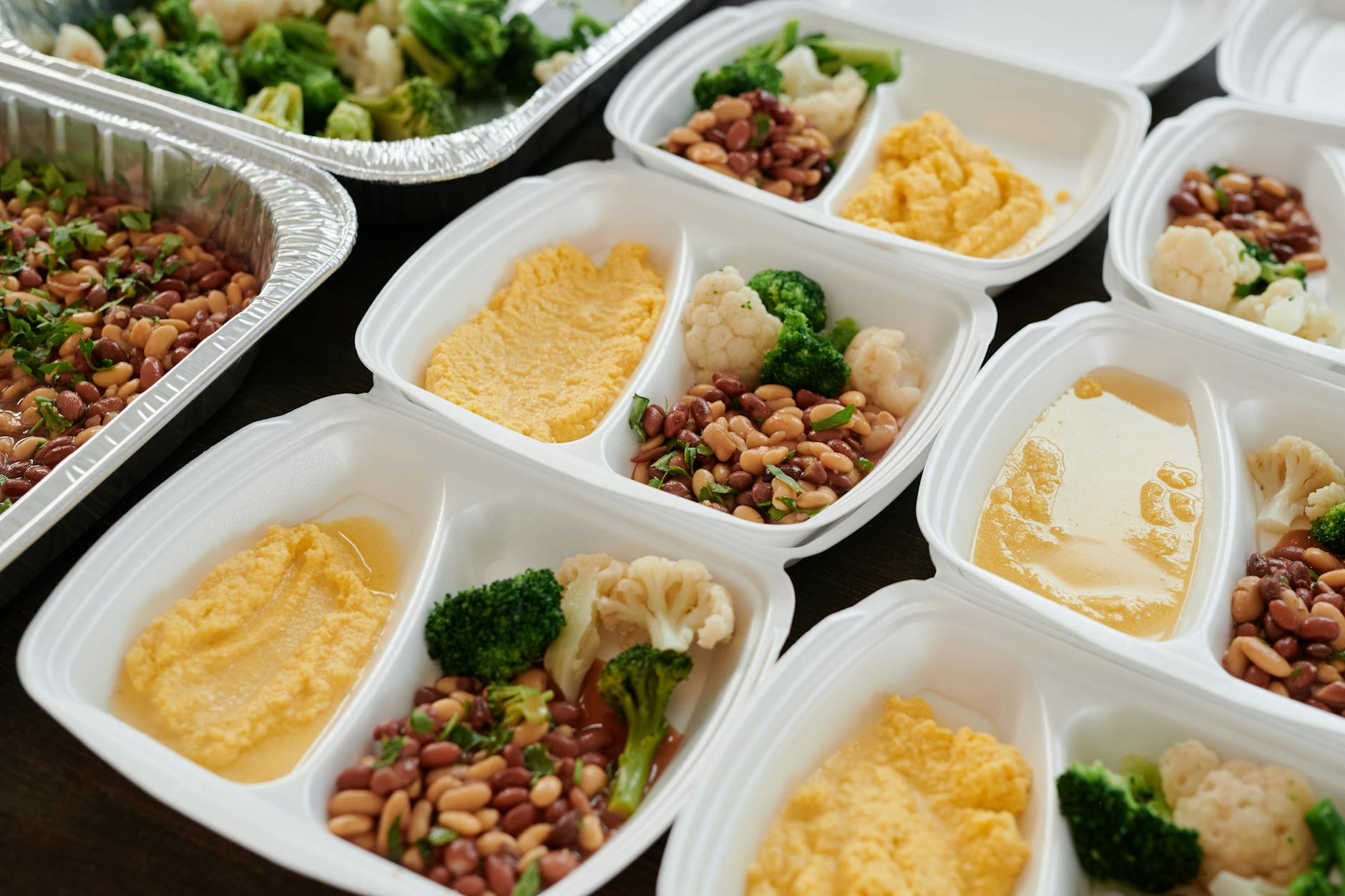
Portion control is physically built into the tray. There’s no mental negotiation about whether a “handful” of almonds is too generous, because the handful doesn’t exist—you simply heat the sealed meal and eat it. This removes the need for a food scale, measuring cups, or a calorie-tracking app. The meals arrive fresh or flash-frozen, requiring nothing more than a microwave or oven, which eliminates the grocery run and the pan scrubbing that often derail a weeknight cooking plan. By collapsing planning, shopping, cooking, and portioning into a single reheat step, the model sidesteps the decision fatigue that sends so many people back to the takeout menu.
The “No-Cook” Dieter: Best Plans When You Refuse to Touch a Pan
Let’s be honest: if a meal plan requires you to chop an onion or wash a skillet, it’s already failed you. You didn’t sign up for a cooking hobby—you signed up to lose weight without thinking about it. The “No-Cook” category exists for exactly this personality type, and the rules are non-negotiable: the food arrives fully prepared, plated in a single-serving tray, and goes from your refrigerator to your mouth in under three minutes with nothing but a microwave between you and your calorie deficit.
Services like Factor and Fresh N Lean have built their entire value proposition around this zero-effort threshold. You peel back a film, heat, and eat. There are no sauce packets to mix, no separate grain bases to combine, and no “optional” garnish steps that guilt you into extra work. This isn’t a meal kit in disguise—it’s a prepared, dietitian-designed meal that already has the macros counted and the portions locked. Fresh N Lean even offers organic, plant-based, and high-protein variations that stay within a strict calorie band, typically $9–$14 per meal, so you can set your deficit and forget it.
This category works because it removes the friction point that kills consistency. According to the Cleveland Clinic, decision fatigue and perceived inconvenience are two of the strongest predictors of diet abandonment. If you’re the type of person who will order a $35 delivery pizza the second a recipe asks you to preheat an oven, you need a plan that treats cooking as a dealbreaker, not an inconvenience. The “No-Cook” services don’t just save you time—they protect you from the all-or-nothing spiral where one skipped meal prep session snowballs into a week of takeout. When the only barrier between you and a 500-calorie, nutritionally balanced lunch is the 90-second timer on your microwave, sticking to the plan stops feeling like discipline and starts feeling like the path of least resistance.
The “Fear of Hunger” Dieter: High-Volume, High-Protein Plans That Keep You Full
If you’ve ever white-knuckled your way to dinner only to demolish a bag of chips at 3 p.m., the problem isn’t your willpower—it’s your satiety signaling. Hunger pangs aren’t just uncomfortable; they’re a physiological stress response that spikes cortisol and primes your brain to seek out the most calorie-dense food in sight. The fix is a meal structure engineered to crush that cascade before it starts, and that means prioritizing two things above all else: lean protein and fiber volume.
According to the Cleveland Clinic, protein triggers the release of peptide YY, a hormone that directly tells your brain you’re full, while slowing gastric emptying to keep that signal firing longer. The sweet spot for weight loss satiety is 30–40 grams of protein per meal, paired with high-fiber, low-calorie-dense vegetables that stretch your stomach’s stretch receptors without blowing your calorie budget. This combination flattens the post-meal blood sugar curve, preventing the sharp insulin spike and subsequent crash that manufactures a 3 p.m. cookie craving out of thin air.
Services built for this psychology don’t just send you tiny portions and hope you cope. Trifecta lets you filter meals by macro targets, favoring options like bison bowls and salmon with quinoa that routinely hit the 30–40 gram protein mark while keeping meals under 500 calories. ICON Meals goes a step further, allowing you to customize protein, carb, and vegetable portions à la carte—so you can order a 40-gram protein chicken breast with a double side of roasted broccoli and know exactly what you’re getting. Their high-volume, lower-calorie-density approach means you’re eating more physical food for fewer calories, which is the closest thing to a biological loophole for dieters who fear an empty stomach. When your meal leaves you genuinely full for four hours, the takeout menu loses its power.
The “Need to See Fast Results” Dieter: Calorie-Controlled Plans for Quick Wins
If your motivation has a short half-life, you need a program that removes every possible point of friction—and every excuse. You’re not looking for a gentle nudge toward “mindful eating.” You need a closed system where the math is non-negotiable, because right now, trusting your own willpower feels like a losing bet. This is where structured, calorie-banded plans earn their reputation. By locking you into a strict daily intake—typically 1,200–1,500 calories for women and 1,500–1,800 for men—these services engineer a guaranteed deficit that shows up on the scale within the first week.
The mechanism is brutally simple: you eat only what’s in the box, and nothing else. Services like Nutrisystem and Jenny Craig have built their entire model around this principle, creating a “walled garden” of pre-portioned meals, snacks, and desserts that leave zero room for negotiation. There’s no logging apps to fudge, no “healthy” office snacks to guess about, and no restaurant menus to navigate. According to the Mayo Clinic, a consistent daily deficit of 500–1,000 calories translates to roughly 1–2 pounds of fat loss per week, but the initial water-weight drop on these lower-carb, lower-sodium plans is often faster, sometimes delivering a 3–5 pound shift in the first seven days.
That early win isn’t just a vanity metric—it’s a psychological lifeline. Behavioral psychologists call this a boost in “self-efficacy,” the belief that you are capable of executing the behavior required to succeed. Seeing the number drop quickly quiets the internal voice that says dieting never works for you. It transforms the process from a test of character into a simple transaction: follow the program, see the result. Most of these plans are designed as temporary, intensive phases, with a built-in off-ramp toward more flexible maintenance once the initial momentum has solidified into a habit you can trust.
The “Gourmet Eater” Dieter: When Bland Food Makes You Quit
If your healthy dinner tastes like salted cardboard, you’re going to order Thai takeout. You’ve probably learned this about yourself the hard way—white-knuckling through a few days of bland chicken and steamed broccoli before cracking and deleting the diet app entirely. For you, the food itself isn’t just fuel; it’s a source of pleasure, and a weight loss plan that ignores that fact is architecting its own failure.
This is where chef-designed, flavor-forward meal delivery services earn their price tag. Unlike standard diet plans that rely on plain grilled proteins and raw greens, services like CookUnity and Methodology treat palatability as a compliance necessity, not a luxury. CookUnity operates on a marketplace model, connecting you with award-winning chefs who design individual recipes—think miso-glazed salmon with yuzu kosho or lamb tagine with preserved lemon—each fully calorie-counted and portioned to support weight loss. Methodology takes a different tack, prepping everything in glass jars with sauces, dressings, and spice blends that prioritize texture variety and global flavor profiles, so you’re eating dishes like harissa chicken with turmeric cauliflower rice instead of another sad salad.
According to the Cleveland Clinic, the sustainability of any diet hinges less on willpower and more on whether you enjoy what you’re eating day after day. A meal you dread is a meal you’ll eventually replace with something you don’t. These services, which typically run $11–$17 per meal, deliberately compete with restaurant delivery on taste and presentation, eliminating the psychological rebellion that sends you back to Seamless. When your pre-portioned Tuesday lunch is a chipotle-lime steak bowl with roasted corn salsa, staying on plan stops feeling like punishment and starts feeling like the obvious choice.
How to Verify a Service’s Weight Loss Credentials Before You Order
A meal delivery service can call itself “healthy” without ever being designed for weight loss. The difference between a marketing label and a legitimate weight loss tool comes down to three specific things you can check in about ten minutes before you ever hand over a credit card.
Look for a Registered Dietitian, Not a Celebrity
Plenty of services slap a famous name or a “wellness board” on their homepage and call it a day. What you want is evidence that a registered dietitian (RD) or registered dietitian nutritionist (RDN) designed the menu structure, not just signed off on a single recipe. These are licensed professionals who understand the caloric density, macronutrient balance, and satiety factors required for sustainable weight loss. If the only credential you can find is a chef or a lifestyle influencer, you are looking at a meal kit company that prioritizes flavor trends over a caloric deficit. Dig into the “About” page or the FAQ. If they employ an RD, they will say so prominently.
Demand Transparent Macros, Not Vague Buzzwords
“Clean,” “balanced,” and “real food” mean nothing if you cannot see the numbers. A service genuinely built for weight loss publishes full nutrition facts—calories, protein, fat, carbohydrates, and fiber—for every single meal, openly on the website before you order. If you have to dig through a hidden PDF or find the data only after the box arrives, treat that as a red flag. According to the Cleveland Clinic, a safe and effective weight loss rate is 1–2 pounds per week, which typically requires a daily deficit of 500–1,000 calories. You cannot manage that deficit if a company hides behind subjective language instead of hard data.
Read Reviews for Weight Loss Outcomes, Not Just Taste
Ignore the five-star reviews raving about the truffle mac and cheese. Instead, search third-party review sites and social media threads for phrases like “I lost weight,” “kept it off,” or “was still hungry.” Pay close attention to patterns. If multiple reviewers mention that the portions looked small but left them surprisingly full, that signals smart nutrient density. If you see repeated complaints about needing a snack an hour after eating or that the scale never moved after months of use, the service is likely a convenience play dressed up as a diet plan. You are not hiring a personal chef here—you are outsourcing the science of a caloric deficit. Vet accordingly.
Red Flags in Weight Loss Meal Delivery Services That Signal You’ll Fail
Some meal delivery services are designed to sell you a subscription, not to help you lose weight. Spotting their tactics early can save you hundreds of dollars and another round of “what’s wrong with me” self-blame when the plan falls apart. Here are the red flags that predict failure before you even unbox your first meal.
The “Grocery Gap” Trap
If a service’s fine print reveals you’ll need to supplement with your own snacks, breakfasts, or side salads, you’ve just bought back the decision fatigue you paid to eliminate. A Cleveland Clinic review of behavioral weight loss strategies confirms that reducing the number of daily food decisions is one of the strongest predictors of adherence. The moment you’re standing in a grocery aisle debating between rice cakes and almonds, the service has offloaded its job onto you—and your willpower budget takes the hit.
Punitive Cancellation Policies
A legitimate service knows its food works. A shaky one relies on friction to keep you paying. Watch for subscriptions that lock you into multi-week commitments with no pause option, charge cancellation fees of $30–$60, or bury the opt-out process behind phone-only support with limited hours. If you can sign up in three clicks but need a notarized letter to leave, the business model is built on inertia, not results.
Detox Hype and Superfood Theater
Marketing that leans heavily on “cleansing,” “resetting your metabolism,” or magical superfood blends while avoiding any mention of calorie targets or macronutrient balance is selling mystique, not methodology. Sustainable weight loss requires a consistent energy deficit grounded in nutritional science. When a service promises transformation through activated charcoal lemonades or “fat-burning” elixirs but won’t publish a nutrition panel upfront, they’re counting on your hope to override your skepticism. You deserve a plan that respects you enough to show its math.
Building Your Transition Plan: From Full Delivery to Sustainable Independence
If you’re worried you’ll be stuck paying $130–$180 a week forever, or that the weight will snap back the moment you cancel, here’s the reframe that sticks: this isn’t a permanent grocery bill. It’s a paid education in what your body needs.
Use the first 4 to 8 weeks as an active learning period. You’re not just eating—you’re internalizing the portion sizes, protein-to-carb ratios, and calorie density patterns that create a deficit without leaving you hungry. According to the Cleveland Clinic, people who practice portion awareness consistently for at least six weeks are significantly more likely to maintain weight loss long-term, because the visual benchmarks become automatic. When every meal arrives at 400–500 calories with 30–40 grams of protein, you stop guessing what “enough” looks like.
The smartest exit strategy is a gradual wean, not a cold-turkey cliff. Around week five, start replacing one or two delivered meals per week with home-cooked versions that mirror the same calorie and protein targets you’ve been eating. If Tuesday’s delivery was a 450-calorie chicken bowl with 35 grams of protein, build your own version using the same template. This lets you test your new skills while the safety net is still in place.
To make this work, choose a service that offers flexible pause or skip features from day one—not one that locks you into rigid, non-refundable cycles. The goal is a service that functions like training wheels, not a subscription you’re afraid to cancel. When you can confidently prep three or four of those meals yourself and maintain your progress, you’ve already won the part of the game most diets ignore entirely.
What Registered Dietitians Say About Outsourcing Your Diet
If you’ve ever felt a twinge of guilt when opening a meal delivery box—like you’ve somehow failed by not chopping your own vegetables—you can set that worry aside. The most consistent message from registered dietitians isn’t about the moral superiority of home cooking; it’s about the cold, hard math of adherence. The single greatest predictor of weight loss success is not which diet you choose, but whether you can stick to it. A 2024 meta-analysis published in JAMA Network Open reinforced what behavioral scientists have argued for years: environmental consistency dramatically outperforms willpower. When exhausted and unprepared, the average person doesn’t reach for a quinoa bowl—they order takeout that can easily clock in at 1,200 calories before you’ve finished the drink.
Pre-portioned, nutritionally balanced meals short-circuit that pattern. The nutritional quality of a frozen meal designed by a culinary team with a registered dietitian on staff often surpasses the impulsive, calorie-dense choices made at 8 p.m. in front of an open refrigerator. You’re not comparing the meal to an idealized version of yourself who cooks perfect salmon and broccolini every night; you’re comparing it to the reality of what happens when that version doesn’t show up.
Experts do offer two consistent caveats. First, scan the ingredient list for whole-food sources of protein and fiber rather than fillers and refined starches—a meal can hit a calorie target and still leave you metabolically hanging if it’s built on white rice and sugary sauces. Second, if you have hypertension or a family history of heart disease, keep an eye on sodium. The Cleveland Clinic recommends staying under 600–700 mg per meal if you’re actively managing blood pressure. Finally, view the service as a bridge, not a permanent crutch. Use the weeks of predictable structure to observe what a properly portioned plate looks like, so that knowledge transfers whenever you do return to your own kitchen.